
Imagine a sudden power outage on a stormy night. Everything around you goes dark, and instinctively, you reach for a flashlight. Within seconds, a small beam of light cuts through the darkness, bringing comfort, safety, and direction.
Today, flashlights are so common that we rarely stop to think about their origins. Yet the journey of this simple but powerful device is one of innovation, necessity, and human ingenuity.
The story of the flashlight reflects how people continually sought better ways to bring light into darkness whether at home, in dangerous workplaces, or on the battlefield.
The history of flashlight technology is far more fascinating than many realize. From bulky early designs to compact LED flashlight innovations, flashlights have transformed how we navigate emergencies, outdoor adventures, and professional work.
In this article, you’ll discover:
- Who invented the flashlight
- When the flashlight was invented
- How flashlight technology evolved over time
- How modern flashlights became essential in daily life
Let’s explore the remarkable story behind one of the most practical inventions ever created.
| Year / Period | Event | Key Details |
|---|---|---|
| Late 19th Century | Portable lighting development begins | Advances in batteries and bulbs made portable light possible |
| 1899 | First flashlight invented | David Misell created the first flashlight using batteries and an incandescent bulb |
| 1904 | Commercial improvements | Conrad Hubert improved and marketed flashlights for public use |
| 1920s–1930s | Better flashlight designs | Improved battery life, brightness, and durability |
| World War II | Major development | Flashlights became essential for military, air raids, and field hospitals |
| 1950s–1960s | Plastic revolution | Flashlights became lighter, cheaper, and widely available |
| Modern Era | LED revolution | LED flashlight technology improved brightness, battery life, and efficiency |
| Today | Advanced flashlights | Features include USB charging, waterproof design, strobe modes, and rechargeable batteries |
The Origins of Flashlight Invention
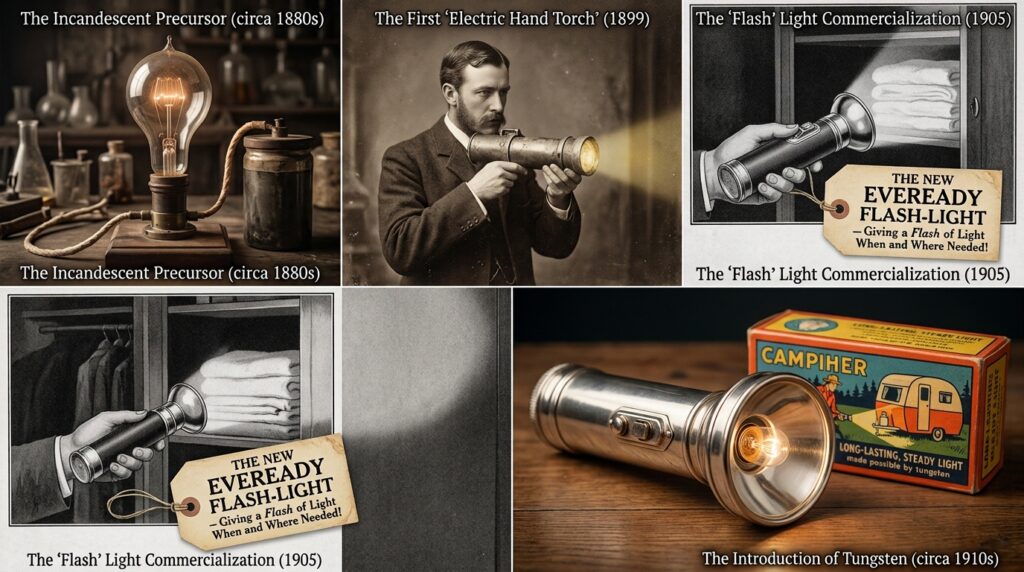
The flashlight invention began during the late 19th century, when advances in batteries and electric bulbs made portable lighting possible.
In 1899, British inventor David Misell developed what is widely recognized as the first flashlight. This original flashlight design used:
- Paper tube body
- Brass reflectors
- Rough incandescent bulb
- D batteries
The early flashlight worked only in short bursts because batteries were weak and bulbs consumed power quickly. This is why it was called a flashlight it produced brief flashes of light rather than continuous illumination.
The first flashlight was revolutionary because it introduced the concept of a portable light source, changing how people handled darkness.
Key Milestones:
- 1899 – First flashlight patented
- Early models used incandescent bulbs
- Limited battery life made them impractical for long use
This marked the beginning of flashlight history.
Conrad Hubert and Early Flashlight Development
Although David Misell invented the flashlight, Conrad Hubert, an American inventor and businessman, played a major role in commercializing and improving flashlight design.
Hubert recognized the practical potential of portable lighting. Through manufacturing improvements, he helped make flashlights more useful for households and industries.
By 1904, flashlights became more reliable and slightly more affordable. Improved battery efficiency helped users enjoy longer light output.
This period saw the beginning of flashlight development in practical environments such as:
- Households
- Mines
- Factories
Workers in dangerous settings quickly saw the value of hands-free or portable illumination.
Important Advancements:
- Better battery efficiency
- Improved bulb durability
- Stronger light output
This era established the flashlight as an essential utility tool.
Flashlight Evolution in the 1920s and 1930s
The 1920s and 1930s were important decades in the evolution of flashlights.
Manufacturers began experimenting with better materials and more practical designs. Metal bodies became more durable, and batteries improved significantly.
Flashlights became useful in more everyday situations:
- Emergency lighting
- Household lighting
- Outdoor activities
People increasingly relied on flashlights during:
- Night travel
- Repairs
- Camping
- Power outages
The flashlight was no longer just a novelty it had become a necessity.
Key Innovations:
- Longer battery life
- Better brightness settings
- More durable flashlights
Portable illumination was becoming more efficient and dependable.
Flashlights During World War II
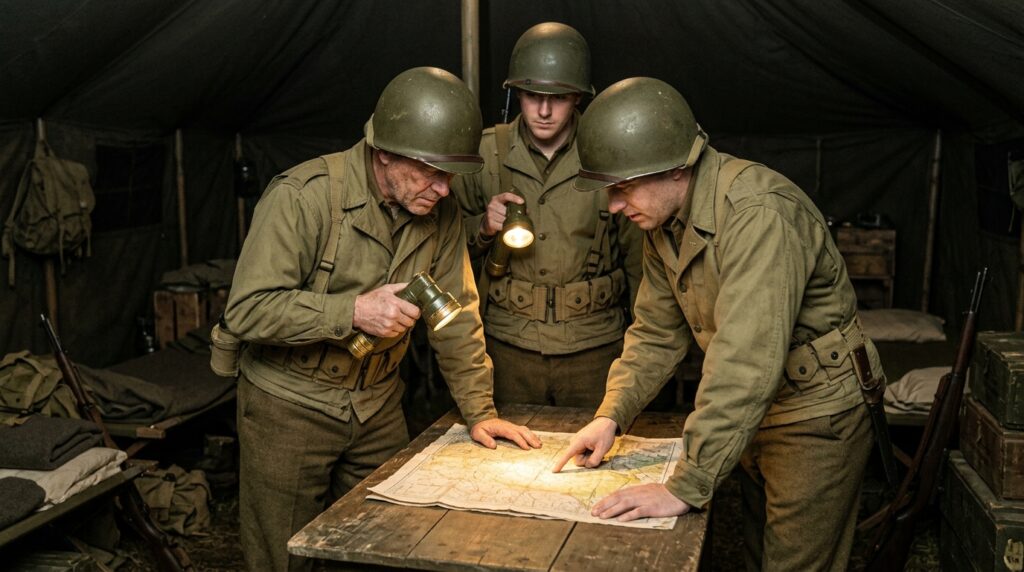
One of the biggest turning points in flashlight history came during World War II.
The war accelerated demand for better portable lighting. Soldiers, medics, and emergency personnel depended heavily on flashlights during:
- Battlefield operations
- Air raids
- Blackout conditions
- Field hospitals
Military needs pushed flashlight manufacturers to improve:
- Durability
- Brightness
- Battery performance
Flashlights became essential equipment for military operations.They also became vital for civilians during blackout emergencies, especially in cities vulnerable to attacks.This period transformed flashlights from household tools into critical survival equipment.
World War II Impact:
- Accelerated flashlight innovation
- Improved tactical designs
- Expanded military flashlight use
The war significantly influenced modern flashlight techno
The Plastic Revolution: 1950s and 1960s
The 1950s and 1960s brought major manufacturing changes.
Plastic materials replaced many metal flashlight bodies, making flashlights:
- Lighter
- Cheaper
- Easier to mass produce
This made flashlights accessible to nearly every household.
Common designs included:
- Pocket flashlight
- Compact flashlight
- Keychain flashlight
Flashlights became standard emergency tools in homes, cars, and workplaces.
During this era, they also became popular for:
- Outdoor recreation
- Construction sites
- Law enforcement
- Firefighting
Affordable manufacturing expanded flashlight use worldwide.
The LED Revolution
The biggest transformation in modern flashlight technology came with LED technology.
LED stands for Light-emitting diode, and it completely revolutionized the flashlight industry.
Compared to incandescent bulbs, LEDs offered:
- Greater energy efficiency
- Longer lifespan
- Better brightness
- Lower heat output
This gave rise to the modern LED flashlight, which quickly became the new standard.
Benefits of LED flashlights include:
- Higher lumens
- Longer battery life
- Improved durability
- Better beam of light control
This innovation changed everything.
Today’s flashlights are brighter, stronger, and far more energy-efficient than ever before.
Modern Flashlights and Their Applications
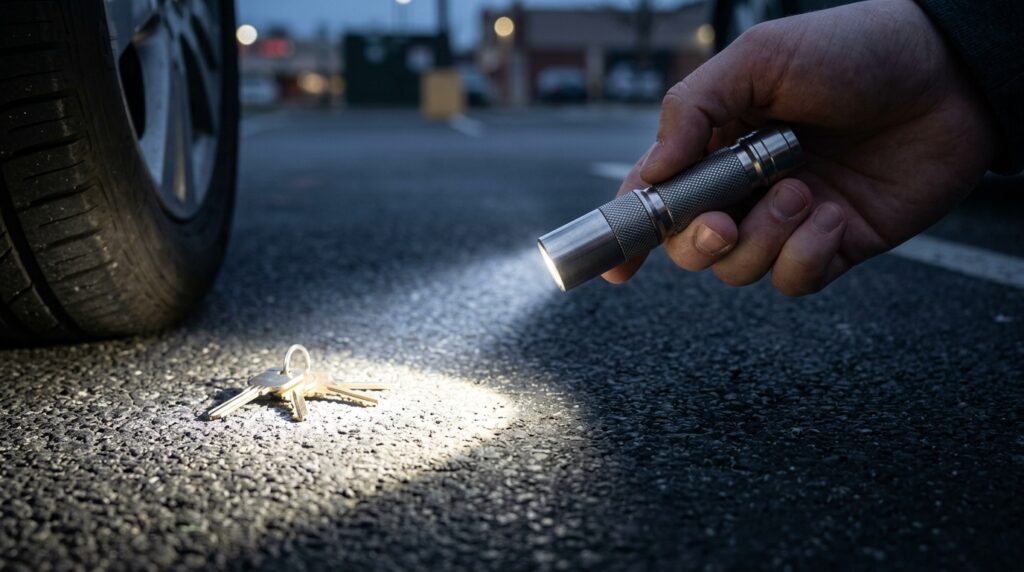
Modern flashlights are highly advanced compared to early designs.
Features now include:
- USB charging flashlight systems
- Rechargeable flashlight technology
- Waterproof flashlight construction
- Strobe modes
- Adjustable brightness settings
- Color temperature control
Flashlights now serve many industries and activities.
Common Uses Today:
Emergency Situations
Every household should have an emergency flashlight.
Outdoor Activities
Camping flashlight and hiking flashlight options are essential for adventurers.
Industrial Applications
Construction flashlight and industrial flashlight models provide reliable lighting in harsh environments.
Professional Use
Modern flashlights support:
- Military operations
- Searchlights
- Tactical teams
- Firefighters
The flashlight has evolved into a critical tool across industries.
Why Flashlight History Matters
The story of flashlight innovation teaches us something important: even simple tools can transform daily life.
What started as a weak portable lamp in 1899 became one of the most useful inventions in modern history.
From David Misell’s first design to advanced LED flashlight systems, flashlights continue to improve through innovation.
This evolution reflects humanity’s constant pursuit of better solutions—especially when facing darkness, uncertainty, and challenge.
Frequently Asked Question
short school prayer
Dear God, bless our school, teachers, and students today. Give us wisdom, kindness, and strength in everything we do.
short prayer in school
Lord, be with us in school and guide us throughout the day. Help us learn well and treat others with love and respect.
short prayers for school
Heavenly Father, protect everyone in our school and fill our hearts with peace. Help us grow in knowledge, faith, and friendship.
small prayer for school
Dear Lord, bless our studies and keep us safe each day. Help us do our best and honor You in all we do.
short prayer school
God, thank You for our school and the opportunity to learn. Guide us with wisdom and bless our teachers and classmates.
Read this blog https://trendsory.com/prayer-for-peace-in-the-family/
Conclusion
The flashlight history journey is a fascinating story of invention, necessity, and progress.
Key takeaways:
- The first flashlight was invented in 1899
- David Misell created the original design
- Conrad Hubert helped commercialize it
- World War II accelerated flashlight development
- LED technology revolutionized modern flashlights
Today, flashlights are essential for:
- Safety
- Emergency preparedness
- Outdoor adventures
- Professional use
Practical Takeaways
- Keep a reliable flashlight at home and in your car
- Consider upgrading to a rechargeable flashlight
- Choose an LED flashlight for energy efficiency and durability
Reflection Questions
- When was the last time a flashlight helped you in an emergency?
- Do you have the right flashlight for your needs?
The next time you switch on a flashlight, remember—you’re holding more than just a tool. You’re holding over a century of innovation.
For deeper exploration, consider reading related topics like:
- Portable lighting evolution
- Emergency preparedness essentials
- Modern LED technology innovations

Alex honry